Solar PV Engineer Basic Course
The Solar PV Engineer Basic Course builds essential knowledge of solar energy, PV systems, components, design, and installation. Ideal for beginners and technicians, it develops practical skills to support basic solar system installation, maintenance, and clean-energy applications.
About Course
The Solar PV Engineer Basics Course is a 72-hour practical training program designed to build essential technical and hands-on skills for a career in the growing solar energy industry. It covers solar PV technology, system components, installation practices, basic design, and electrical safety to help learners develop industry-relevant knowledge.
What you'll learn
- Fundamentals of Solar Energy: Understand the basics of solar radiation, photovoltaic effect, and how sunlight is converted into usable electricity.
- Overview of Solar PV Components: Learn about key system components such as PV modules, inverters, batteries, charge controllers, mounting structures, and cabling.
- Types of Solar PV Systems: Get familiar with on-grid, off-grid, and hybrid systems, and their real-world applications.
- Basic System Design Principles: Gain introductory skills in calculating energy requirements, sizing PV modules, selecting inverters, and planning simple PV layouts.
- Installation Techniques & Safety: Understand basic installation procedures, tools required, wiring practices, and essential safety protocols to prevent electrical and structural hazards.
- Site Assessment & Survey Basics: Learn how to evaluate rooftops or open areas for solar installation, including shading analysis and orientation considerations.
- Operation & Maintenance Essentials: Acquire basic knowledge of routine maintenance, system inspection, cleaning procedures, and identifying common system issues.
- Introduction to Solar PV Standards & Policies: Get an overview of relevant standards, certification requirements, and government policies supporting solar deployment.
Course Content
Introduction
The Solar PV Engineer: Basic course is designed to introduce learners to the rapidly growing world of solar energy and photovoltaic (PV) systems. This course provides a strong foundation in the principles of solar power generation, essential components of PV systems, and the fundamentals of system design and installation. Whether you are a beginner exploring a career in renewable energy or a technician looking to upskill, this program equips you with the core knowledge needed to understand how solar power systems work, their applications, and their role in today’s clean-energy transition. By the end of the course, learners gain the confidence to assist in basic design, installation, and maintenance activities under the guidance of experienced engineers.
Module 1: Solar PV system and basics of electricity
Module 2: Solar PV System Components
- Solar PV panels and connections
1.1. What is Solar PV Module?
1.2. Types of Solar PV modules.
1.3. Specifications of a Commercial Solar PV Module, Voltage (Voc, Vmp), Current (Isc, Imp), Power (Wp).
1.4. Series & Parallel Connections – effect on voltage/current.
- Inverters: String Inverter, Central Inverter, Microinverter
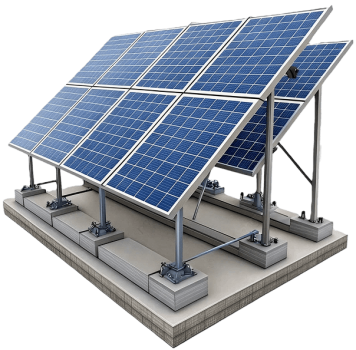
- Solar PV Mounting Structures and Materials
3.1. Difference types of Solar PV mounting structure
3.2. Structural Elements: Footings, Base plates, Legs, Rafters, Purlins, and Braces.
3.3. Materials: HDGS (Hot-dip galvanized steel), GI, Aluminium.
3.4. Anti-corrosion: Zinc Spray & anti-rust coating.
3.5. Mounting Accessories: Nuts, bolts, fasteners (SS/GI, anti-rust).
3.6. Structural clamps.
- Civil Materials for Solar PV Foundations
4.1. Foundation materials: Cement, Sand, Gravel.
4.2. Epoxy and waterproofing chemicals.
- Balance of System (BOS) Components
5.1. Connectors & Cabling
5.1.1. MC4 connectors.
5.1.2. DC and AC solar-grade cables (UV resistant, double insulation).
5.1.3. Cable Management & Termination Accessories in Solar PV Systems (Cable ties, lugs, HDPE piping).
5.2. Protection Devices – DC Side
5.2.1. DC isolators.
5.2.2. DCDB: fuses, surge protection devices
5.3. Protection Devices – AC Side
5.3.1. ACDB: MCB/MCCB, SPD, AC isolators, load side protection.
5.4. Earthing & Safety
5.4.1. Earthing pits & electrodes (copper/GI).
5.4.2. Minimum three earthing points: PV array, inverter, LA.
5.4.3. Lightning Arrestor (LA).
5.5. Enclosures & Conduits
5.5.1. Junction boxes.
5.5.2. HDPE conduits for routing & protection.
5.5.3. Waterproofing and weather-proof enclosures.
5.6. Monitoring System (optionalà Utility scale)
5.6.1. SCADA
5.6.2. Computer for monitoring
- Power Evacuation
6.1. HT (High tension) sub-station (optional à Utility scale)
6.2. Transmission lines (optionalà Utility scale)
6.3. Sub-Station bay (optionalà Utility scale)
6.4. Solar meter (optionalà Utility scale)
6.5. Net meter
- Infrastructure (optionalà Utility scale)
7.1. Land levelling
7.2. Boundary Fencing
7.3. Water supply system
7.4. O & M (Operation and maintenance)/security Cabin
7.5. PV washing system
Module 3: Tools
- Civil / Heavy Equipment (Large Sites)
1.1. JCB / Backhoe Loader
1.2. Pile Drilling Machine
1.3. Concrete Mixer & Vibrator
1.4. Ladder / Scaffolding / Manlift
1.5. Trolley / Hand Truck
- Electrical Tools
2.1. Digital Multimeter
2.2. Clamp Meter
2.3. MC4 Connector Tool Kit
2.4. Cable Lugs
2.5. Cable Gland Set
2.6. Heat Gun
2.7. Electrical Tape / Insulation Sleeves
2.8. Fuse Puller
2.9. Continuity Tester
- Mechanical Tools
3.1. Measuring Tape
3.2. Chalk Line / Marker / Pencil
3.3. Spirit Level / Plumb Bob
3.4. Spanner Set
3.5. Socket Wrench Set
3.6. Screwdrivers
3.7. Adjustable Spanner
3.8. Allen Key
3.9. Hacksaw
3.10. Angle Grinder
3.11. Hand Drill / Electric Drill
3.12. Hammer
3.13. Pliers
3.14. Crimping Tool
3.15. Wire Stripper & Cable Cutter
3.16. Pipe Wrench
3.17. Clamps / Bench Vice
- Tool Usage & Safety
4.1. Selection of correct tool for each task
4.2. Proper handling and storage of tools
4.3. Use of PPE while operating tools
4.4. Electrical safety during testing and wiring
4.5. Preventing accidents and equipment damage
Module 4: Installation Practices
- Site Preparation & Layout
1.1. PPE use – helmet, gloves, shoes, harness, extinguishers.
1.2. Orientation & tilt angle selection – based on latitude & true south.
1.3. Site survey & shading analysis – using compass, mobile apps, and observation of obstructions.
1.4. Marking module rows/array layout – spacing, alignment, cable trench routes.
1.5. Foundation marking – methods for rooftop.
- Mounting Structure Installation
2.1. Mechanical assembly – cutting, drilling, grinding.
2.2. Rooftop anchoring – civil and structural considerations.
2.3. Fixing module mounting rails – end & mid rails, clamps.
2.4. Alignment & torque tightening – use of spirit level and torque wrench.
- Solar Module Installation
3.1. Safe lifting and handling of PV modules – pair lifting, no pressure on glass.
3.2. Mounting on structure – sequence of fixing with end clamps and mid clamps.
3.3. Correct tightening torque – avoiding micro-cracks.
- DC Side Installation
4.1. Cable selection – size, insulation, solar grade, color coding.
4.2. MC4 crimping & termination – step-by-step procedure.
4.3. String formation & DCDB connection – routing and combining.
4.4. Fuse/MCB, SPD – role in safety.
- AC Side Installation
5.1. Inverter mounting & wiring – ventilation, cable routing.
5.2. ACDB installation – MCB, SPD.
5.3. Cable routing to grid/load – conduits, glands, lugs.
5.4. Earthing & lightning protection – LA, busbar connections.
- Earthing
6.1. Types of earthing – equipment, lightning, neutral.
6.2. Earthing pit preparation – GI pipe, charcoal, salt, bentonite.
- System Testing & Commissioning
7.1. Continuity & polarity check – DC/AC sides.
7.2. Voc & Isc testing – string-wise verification.
7.3. Inverter startup – sequence & self-checks.
7.4. Grid synchronization – anti-islanding & protection.
7.5. Log sheet recording – maintaining records for QC.
Module 5: Safety & Standards
- Electrical & Fire Safety Practices
1.1. Risks in solar PV systems: DC arc, short circuit, cable overheating.
1.2. Safe handling of live wires, isolators, and breakers.
1.3. Fire safety: electrical fires (Class C), battery room fires, inverter room safety.
1.4. Importance of first response before professional help.
- PPE (Personal Protective Equipment)
2.1. Helmet, gloves (insulated), safety shoes, harness, reflective jacket, goggles, ear protection.
2.2. Correct use and maintenance of PPE.
2.3. Daily checklist before site entry.
Details to know
-
Online Course Fees -
₹1500₹500 (Incl. GST) |*Tools & equipment cost not included. -
Offline Course Fees -
₹18,000₹12,000 (Incl. GST) - Certification - ESSCI
- Duration 72 Hours (2 hours/day x 6 days/week x 6 weeks) or at your own pace
₹500
₹1500
Discount 67% off
Benefits Obtained :
- Online/Offline
- 12 Hours / Week
- Basic & Intermediate
- Hindi, English
- Learn & Get Certified
Explore Categories -
Related Course
Embedded IoT Specialist Course by Expert
Success Stories from Our Learners
Join TCoE and gain practical knowledge, industry-recognized expertise, and the confidence to achieve your career goals.




Why Learn Solar PV Courses?
Solar energy is becoming an important part of the clean-energy transition, creating opportunities for people with practical solar skills. Solar PV courses help learners understand how photovoltaic systems generate electricity and how different components work together.
A good solar panel installation course goes beyond basic theory. It introduces learners to panels, inverters, mounting structures, wiring, electrical safety, and installation practices. This foundation is useful for students, technicians, electricians, and beginners who want to build skills in the renewable energy sector.
For learners who prefer flexible study, solar energy courses online and online solar PV training can provide convenient access to fundamental concepts before moving into practical work. Choosing a course that combines technical knowledge with hands-on learning can help you understand real installation processes more confidently.
Hands-On Solar PV Training
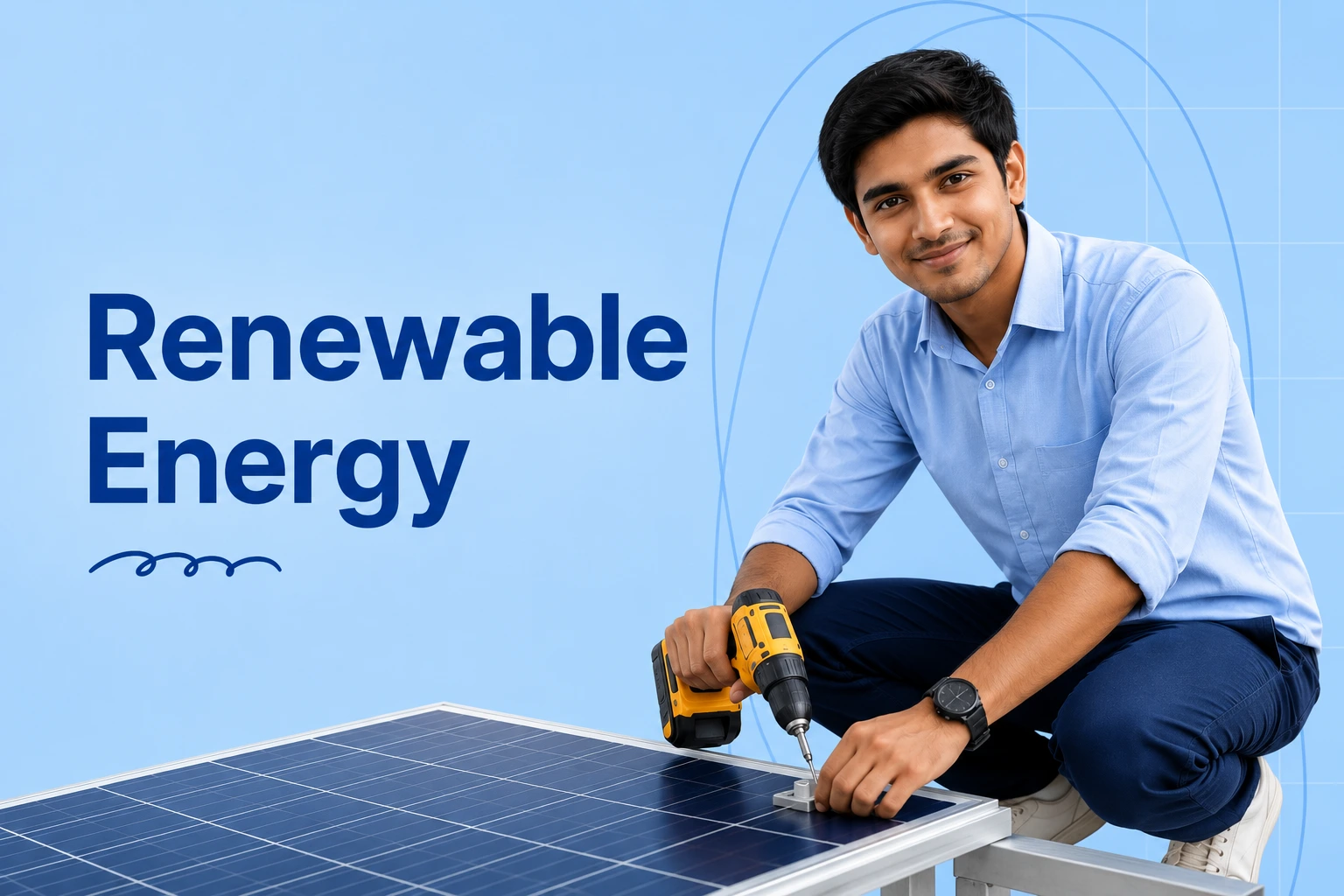
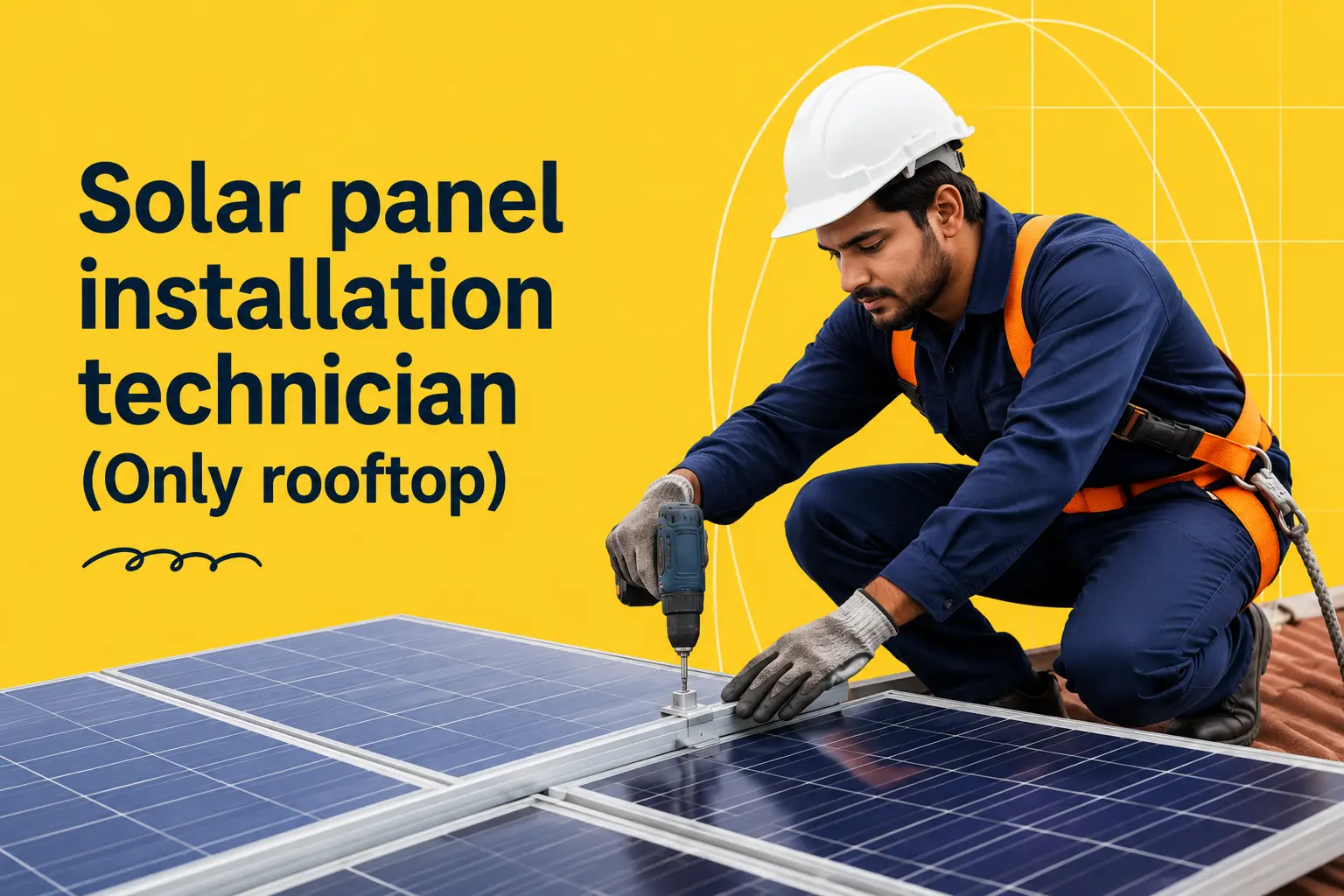
Practical experience is essential when learning solar installation. Our solar panel installer training focuses on connecting classroom knowledge with real-world applications. Learners get exposure to common solar components, installation tools, mounting structures, PV panels, inverters, wiring, and basic safety procedures.
The training also helps learners understand the typical workflow of a solar project from preparing the installation area and assembling structures to positioning panels, making electrical connections, and checking the system. This practical approach makes the learning experience more engaging and helps develop job-relevant skills.
Whether you choose an offline program or online solar PV training, understanding the practical side of solar systems can give you a stronger foundation for further technical development.
Career Opportunities
Completing a solar PV course can help learners explore career paths across the growing renewable energy industry. Depending on their education, practical skills, and experience, learners may pursue opportunities such as solar installation technician, solar PV technician, field technician, project support executive, or solar project assistant.
Solar professionals can work with EPC companies, installation contractors, renewable energy businesses, maintenance teams, and solar project developers. With additional experience and advanced training, learners can continue developing skills in system design, installation, testing, commissioning, and maintenance.
If you are looking for solar panel courses that combine essential knowledge with practical exposure, solar PV training can be a strong starting point for building a career in clean energy.
Frequently Asked Questions
Q1. Who is eligible to join this course?
Students, graduates, working professionals, entrepreneurs, and enthusiasts can enroll. However, please refer to the course page above for any specific requiements.
Q2. Do I need prior experience?
No. Most beginner and intermediate courses do not require previous experience.
Q3. What is the minimum educational qualification?
Eligibility varies by course. Please refer to the course page for the specific academic requirements.
Q4. Can engineering and diploma students join?
Yes. Engineering, diploma, and ITI students can enroll to build practical skills.
Q5. Can working professionals attend the course?
Absolutely. Flexible learning options allow working professionals to upgrade their skills without interrupting their careers.
Q1. Is this course practical or theory-based?
Our courses combine theoretical concepts with extensive hands-on practical training to help learners develop real-world skills.
Q2. Are the courses suitable for beginners?
Yes. Most courses start with the fundamentals and gradually progress to advanced concepts, making them suitable for beginners and professionals alike.
Q3. Is hands-on training included in online courses?
Online courses focus on theoretical knowledge, while practical sessions may vary depending on the specific course and training format. Please refer to the course page above for more details.
Q1. Will I receive a certificate after completing the course?
Yes. Eligible learners receive a course completion certificate after successfully meeting the course requirements.
Q2. Is the certificate recognized by the industry?
Certification depends on the specific course. Several TechnosCOE programs include industry-recognized certifications such as ESSCI where applicable.
Q3. Do I need to pass an assessment to earn the certificate?
Yes. Online learners can complete eligible courses at their own pace within the stipulated time.
Q4. Can I use the certificate while applying for jobs?
Most courses are available in English and Hindi.
Q1. How long does the course take to complete?
Course duration varies by program, ranging from a few weeks to several months.
Q2. Can I learn at my own pace?
Yes. Learners can complete eligible courses at their own pace within the stipulated time.
Q3. What languages are the courses available in?
Most courses are available in English and Hindi.
Q4. Are weekend or flexible schedules available?
Training schedules vary by batch and course mode. Please contact our team for the latest batch timings.
Q1. What kind of support will I receive during the course?
You will receive continuous support from experienced instructors through live doubt-clearing sessions, practical guidance, assignments, and technical discussions to help you succeed throughout the course.
Q2. Can I contact the instructor if I have doubts after class?
Yes. Learners can reach out to instructors during designated doubt-clearing sessions or through the institute’s communication channels for additional guidance.
Q3. Will I receive support for course projects?
Yes. Instructors provide guidance throughout the project lifecycle, including project selection, implementation, debugging, testing, and documentation.
Q4. Is technical support available if I face issues with software or hardware setup?
Yes. The support team assists learners with installing development tools, configuring software, and resolving basic hardware setup issues required for the course.
Q5. How can I contact the support team for further assistance?
You can contact the support team through the institute’s official communication channels, such as email, phone, live chat, or the student support portal. The support team is available to assist with course-related queries, technical issues, and administrative requests.