
Robotics Engineer Course: (Level-1)
Robotics Engineer Course builds strong skills in robot design, sensors, actuators, and programming through hands-on projects. Learn motion control, automation, and AI integration to build and operate robots for real-world applications.
About Course
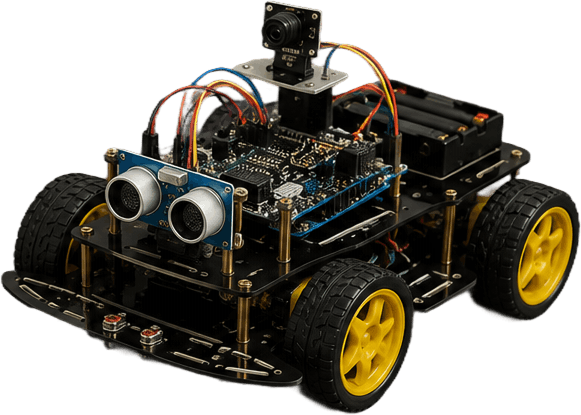
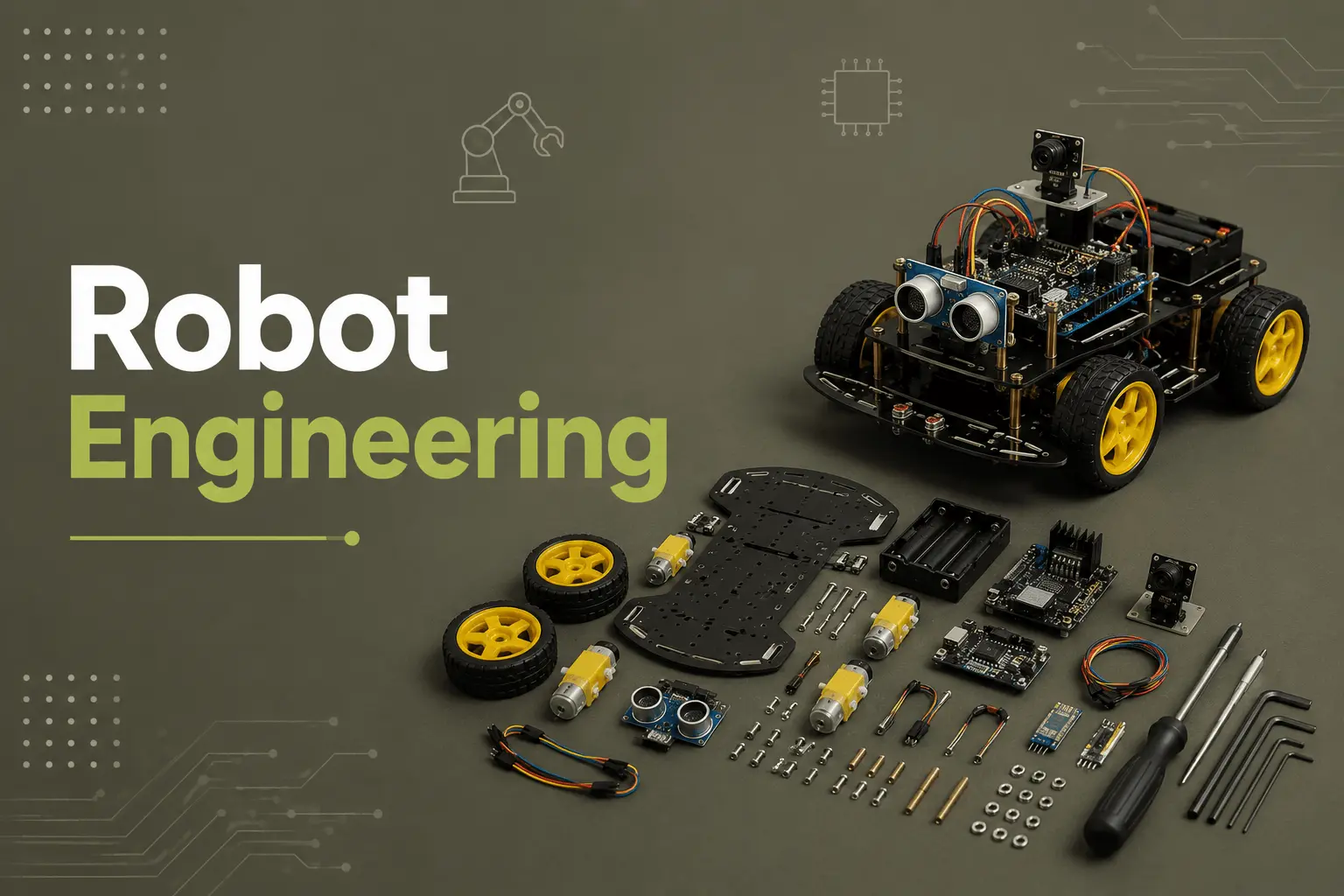
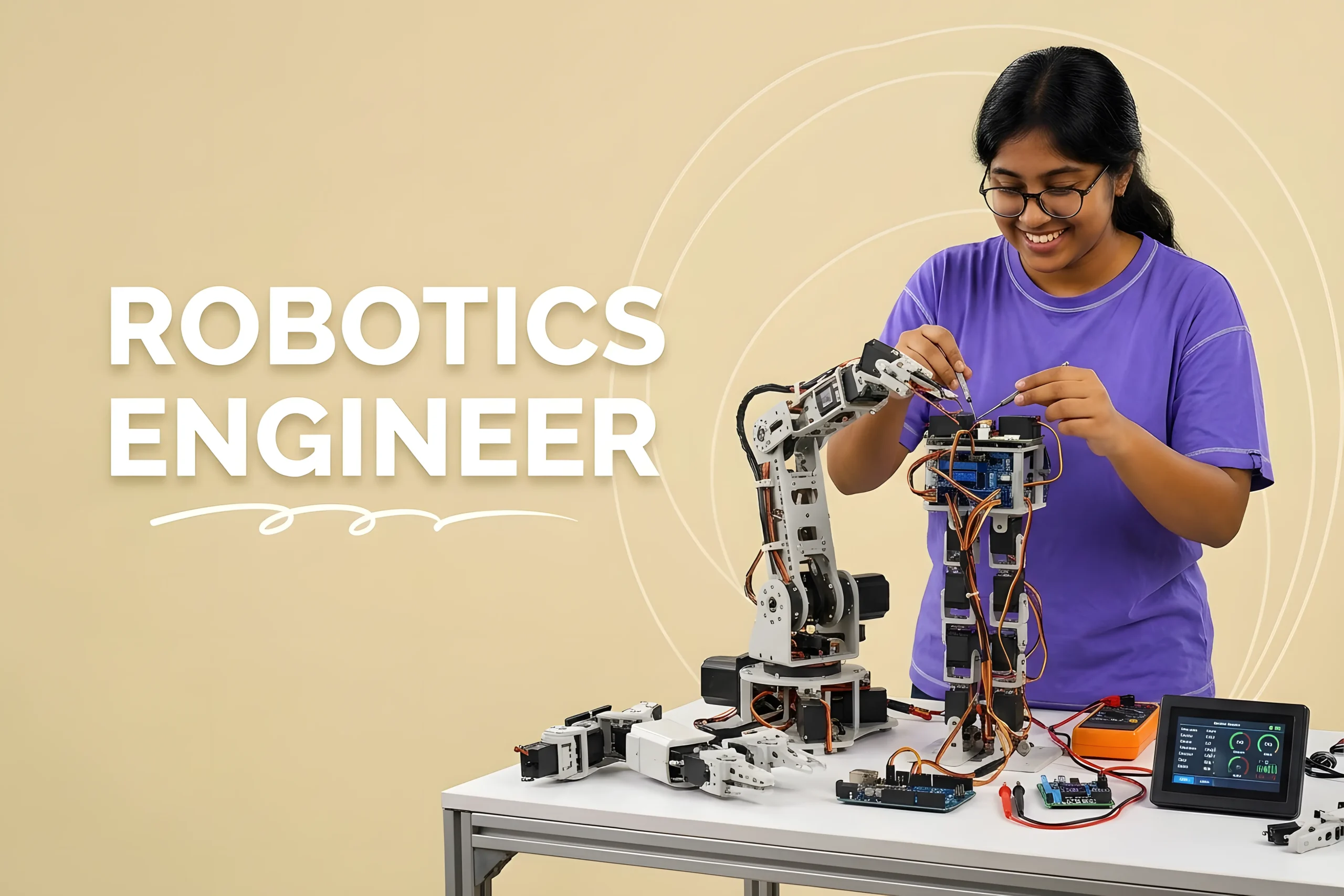
TCoE Robotics Engineer Course is a 72-hour practical training program designed to build a strong foundation in robotics, electronics, and automation. Through a blend of theory and hands-on learning, you will understand electronic components, sensors, motors, logic gates, Arduino programming, and robot mechanisms.
Gain real-world experience by assembling, programming, testing, and troubleshooting robots, including Line Follower and Obstacle Avoider robots. This course prepares you with the practical skills required for robotics labs, automation projects, and entry-level robotics technician roles.
What you'll learn
- Foundations of Robotics – Understand the principles of robotic systems, from kinematics and dynamics to motion control
- Robot Design & Architecture – Explore how mechanical, electrical, and software components work together to bring robots to life
- Sensors & Actuators – Learn how robots perceive their surroundings and interact with the physical world using smart sensors and actuators
- Microcontrollers & Embedded Systems – Get hands-on experience in programming microcontrollers like Arduino and Raspberry Pi to control robots
- Autonomous Navigation – Discover how robots move intelligently using algorithms for path planning and obstacle avoidance
- Artificial Intelligence & Machine Learning in Robotics – Understand how AI empowers robots to learn, adapt, and make decisions autonomously
- Human–Robot Interaction (HRI) – Learn how robots communicate and collaborate safely with humans in real-world environments
- Robot Vision Systems – Explore computer vision techniques that enable robots to “see” and interpret their surroundings
Course Content
Hands-on practical sessions begin from the first day.
Details to know
-
Offline Course Fees -
₹14000₹11859 (Incl. GST) - Certification - TCoE
- Duration 72 Hours
₹11,859
₹14,000
Discount 15% off
Course Highlights -
- Offline Mode
- 72 Hours
- Basic & Intermediate
- Hindi, English
- Learn & Get Certified
Explore Categories -
Success Stories from Our Learners
Join TCoE and gain practical knowledge, industry-recognized expertise, and the confidence to achieve your career goals.
Robotics Engineer Course: Level-1
Robotics Engineer Course (Leve-1) is designed to help students, graduates, and aspiring professionals build a strong foundation in robotics, automation, and embedded systems. Combining 40% conceptual learning with 60% hands-on practical training, this course equips you with the skills required to design, build, program, and troubleshoot intelligent robotic systems.
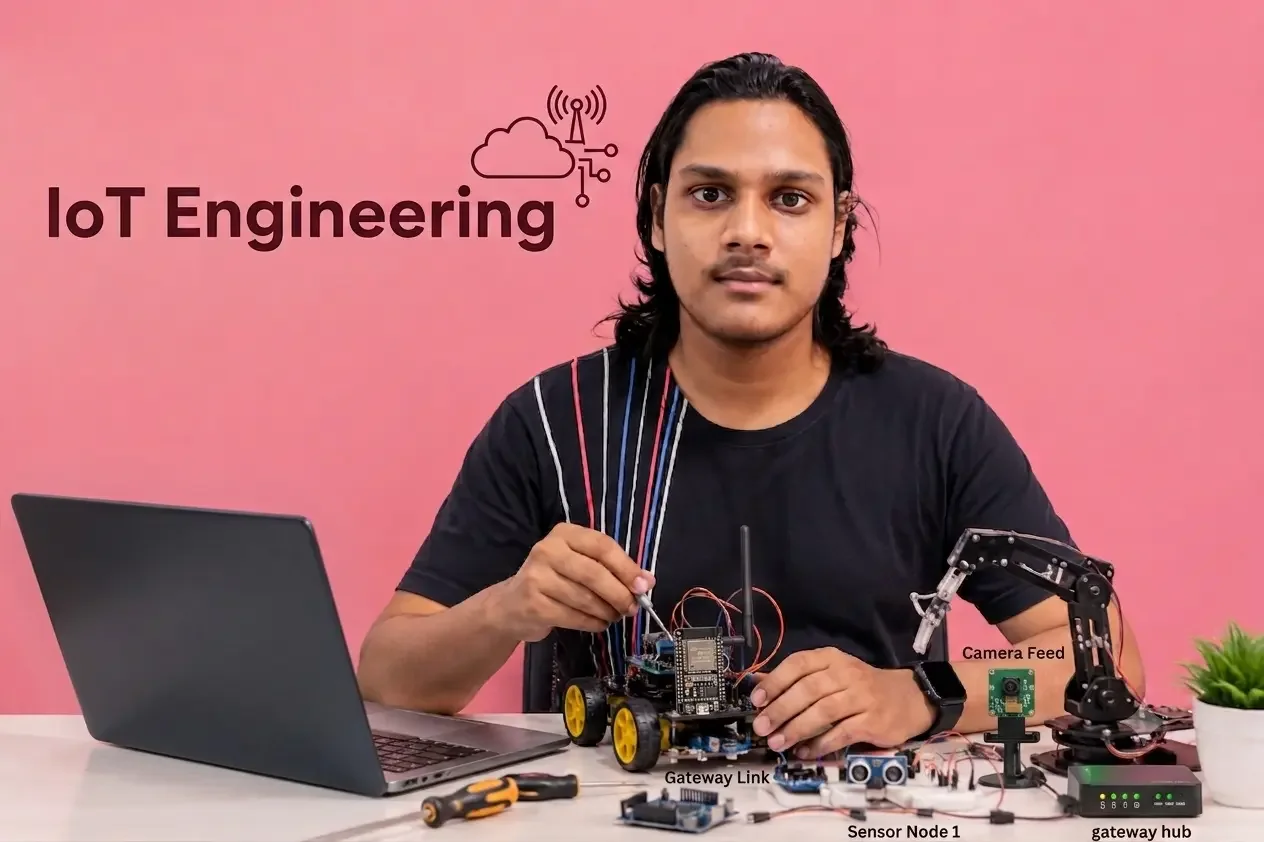
Throughout the training, you will work on live hardware and industry-based projects, giving you practical experience in designing, assembling, testing, and programming intelligent robotic systems. These hands-on activities are carefully structured to help you build confidence and develop problem-solving skills required in real engineering environments.
As robotics continues to revolutionize industries such as manufacturing, healthcare, automotive, logistics, agriculture, and smart automation, the demand for skilled robotics engineers is rapidly increasing. This Robotics Programming Course is designed to make you job-ready by equipping you with practical skills, technical knowledge, and project experience.
Whether you aim to enter robotics engineering, automation, AI, IoT, or advanced industrial technology fields, this course provides the strong technical foundation needed to start and grow your career in the future of technology.
Why Choose TCoE Robotics Engineer Course?
The Robotics Engineer Course is ideal for engineering students, polytechnic and diploma students, fresh graduates, robotics enthusiasts, and working professionals from Electronics, Electrical, Mechanical, Mechatronics, Computer Science, Automation, and related fields. It is also a great choice for anyone who wants to develop practical robotics skills and build a successful career in robotics, automation, AI, and embedded systems. No prior robotics knowledge or programming experience is required, making this course perfect for beginners as well as learners looking to upskill.
Start Your Robotics Career Today
The Robotics Engineer Course provides the perfect starting point for anyone who wants to enter the exciting world of robotics and automation. Learn practical skills, build real robotic systems, and prepare yourself for rewarding career opportunities in one of the fastest-growing technology sectors.
Frequently Asked Questions
Q1. Who is eligible to join this robotics course?
Students, graduates, working professionals, entrepreneurs, and drone enthusiasts can enroll, subject to the eligibility requirements of the selected course.
Q2. Do I need prior drone experience?
No. Most beginner and intermediate courses do not require previous drone experience.
Q3. What is the minimum educational qualification?
Basic knowledge of electronics and components.
Q4. Can engineering and diploma students join?
Yes. Engineering, diploma, and ITI students can enroll to build practical robotics skills.
Q5. Can working professionals attend the course?
Absolutely. Flexible learning options allow working professionals to upgrade their skills without interrupting their careers.
Q1. Is this course practical or theory-based?
Our robotics courses combine theoretical concepts with extensive hands-on practical training to help learners develop real-world skills.
Q2. Will I work with actual robots during the course?
Yes. Depending on the course, you’ll gain practical experience in robotics assembly, servicing, maintenance, programming, and operations.
Q3. Are the courses suitable for beginners?
Yes. Most courses start with the fundamentals and gradually progress to advanced concepts, making them suitable for beginners and professionals alike.
Q4. What skills will I gain after completing the training?
Upon completing the Robotics Engineer: Level-1 course, you will gain a strong foundation in robotics and automation along with practical, industry-relevant skills. You will be able to:
- Understand the fundamentals of robotics and robotic system architecture.
- Program microcontrollers and embedded systems for robotic applications.
- Interface sensors, actuators, and motors with robotic platforms.
- Develop basic robot control and navigation programs.
- Build and troubleshoot simple robotic systems.
- Understand motor control, electronic circuits, and hardware integration.
- Use programming concepts to control robotic movements and automation tasks.
- Perform testing, debugging, and maintenance of robotic systems.
- Apply industry-standard safety practices while working with robotics hardware.
- Design and implement basic robotics projects that demonstrate real-world applications.
These skills provide a solid foundation for entry-level roles in robotics, embedded systems, industrial automation, and serve as a stepping stone toward advanced robotics, AI, and autonomous systems development.
Q5. Does the certificate have an expiry date?
No. The course completion certificate generally remains valid throughout your career as proof of successfully completing the training program.
Q1. Will I receive a certificate after completing the course?
Yes. Eligible learners receive a course completion certificate after successfully meeting the course requirements.
Q2. Is the certificate recognized by the industry?
Certification depends on the specific course. Several TechnosCOE drone programs include industry-recognized certifications such as ESSCI where applicable.
Q3. Do I need to pass an assessment to earn the certificate?
Yes. Online learners can complete eligible courses at their own pace within the provided access period.
Q4. Can I use the certificate while applying for jobs?
Most courses are available in English and Hindi.
Q1. How long does the course take to complete?
Course duration varies by program, ranging from a few weeks to several months.
Q2. Can I learn at my own pace?
Yes. Online learners can complete eligible courses at their own pace within the provided access period.
Q3. What languages are the courses available in?
Most courses are available in English and Hindi.
Q4. Are weekend or flexible schedules available?
Training schedules vary by batch and course mode. Please contact our team for the latest batch timings.
Q1. What skills will I learn in this course?
By the end of the course, you will learn:
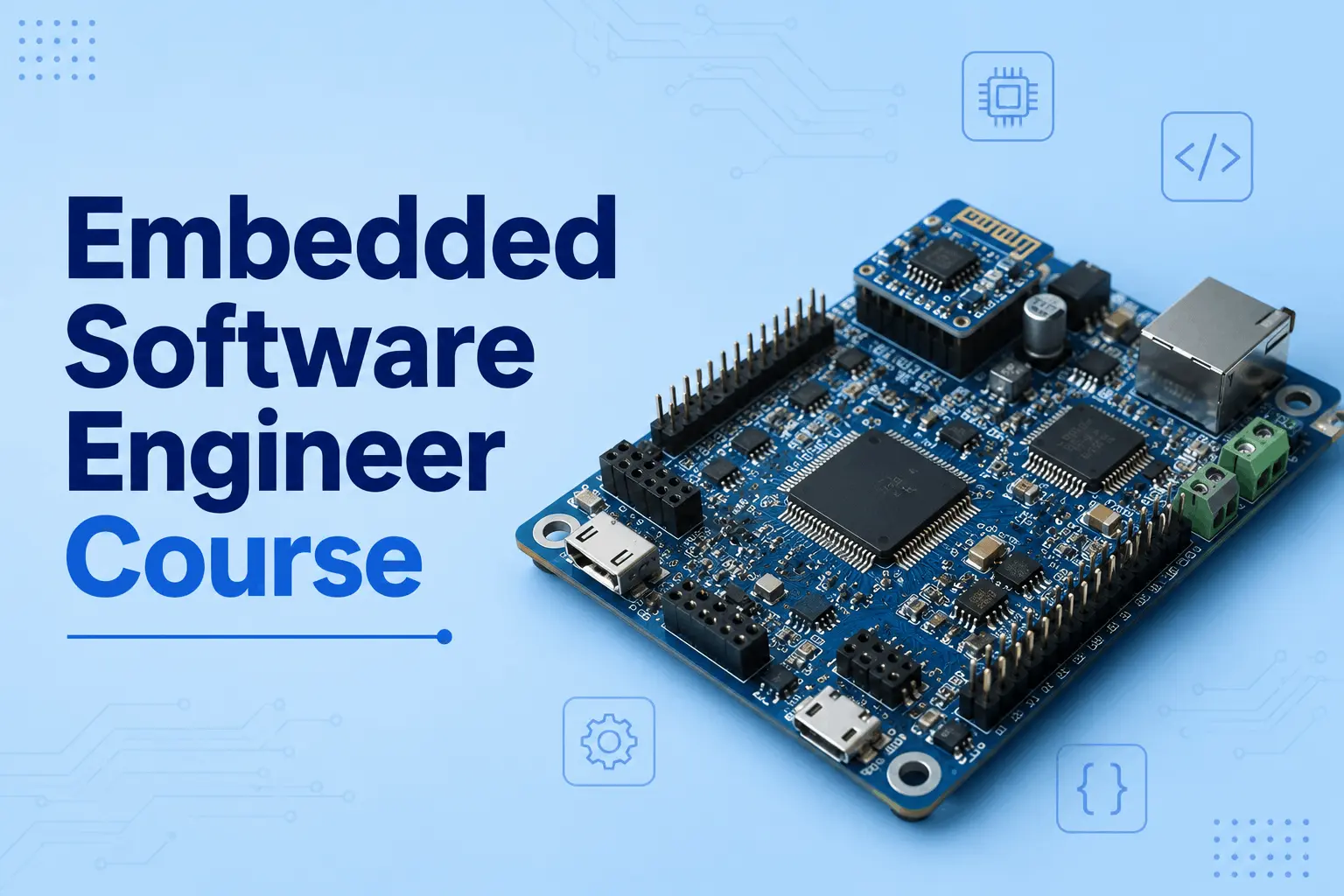
- Embedded C and C++ programming
- Microcontroller programming
- Embedded Linux fundamentals
- Real-Time Operating Systems (RTOS)
- Communication protocols (UART, SPI, I2C, CAN)
- Device driver basics
- Firmware development and debugging
- Hardware-software interfacing
- IoT and embedded application development
- Industry-standard tools and project development
These skills prepare you for real-world embedded software development.
Q2. Are there any prerequisites for this course?
No prior experience in embedded systems is required. However, having a basic understanding of programming concepts, computer fundamentals, and digital electronics can help you learn more quickly. The course starts with the fundamentals and gradually progresses to advanced topics.
Q3. What career opportunities are available after completing this course?
After successfully completing the course, you can apply for roles such as:
- Embedded Software Engineer
- Firmware Engineer
- Embedded Systems Developer
- Embedded Linux Developer
- IoT Developer
- Automotive Embedded Engineer
- Device Driver Developer
- Robotics Software Engineer
Embedded software professionals are in demand across industries such as automotive, consumer electronics, medical devices, aerospace, industrial automation, telecommunications, and IoT.
Q4. Does the course include practical projects and hands-on training?
Yes. The course emphasizes practical learning through hands-on labs, programming exercises, hardware interfacing, debugging sessions, and real-world projects. These projects help you gain industry-relevant experience, strengthen your portfolio, and improve your confidence for technical interviews and job opportunities.
Q5. Which programming languages are covered in this course?
The course primarily focuses on Embedded C, which is the industry standard for firmware development. It also introduces C++ concepts used in embedded applications.